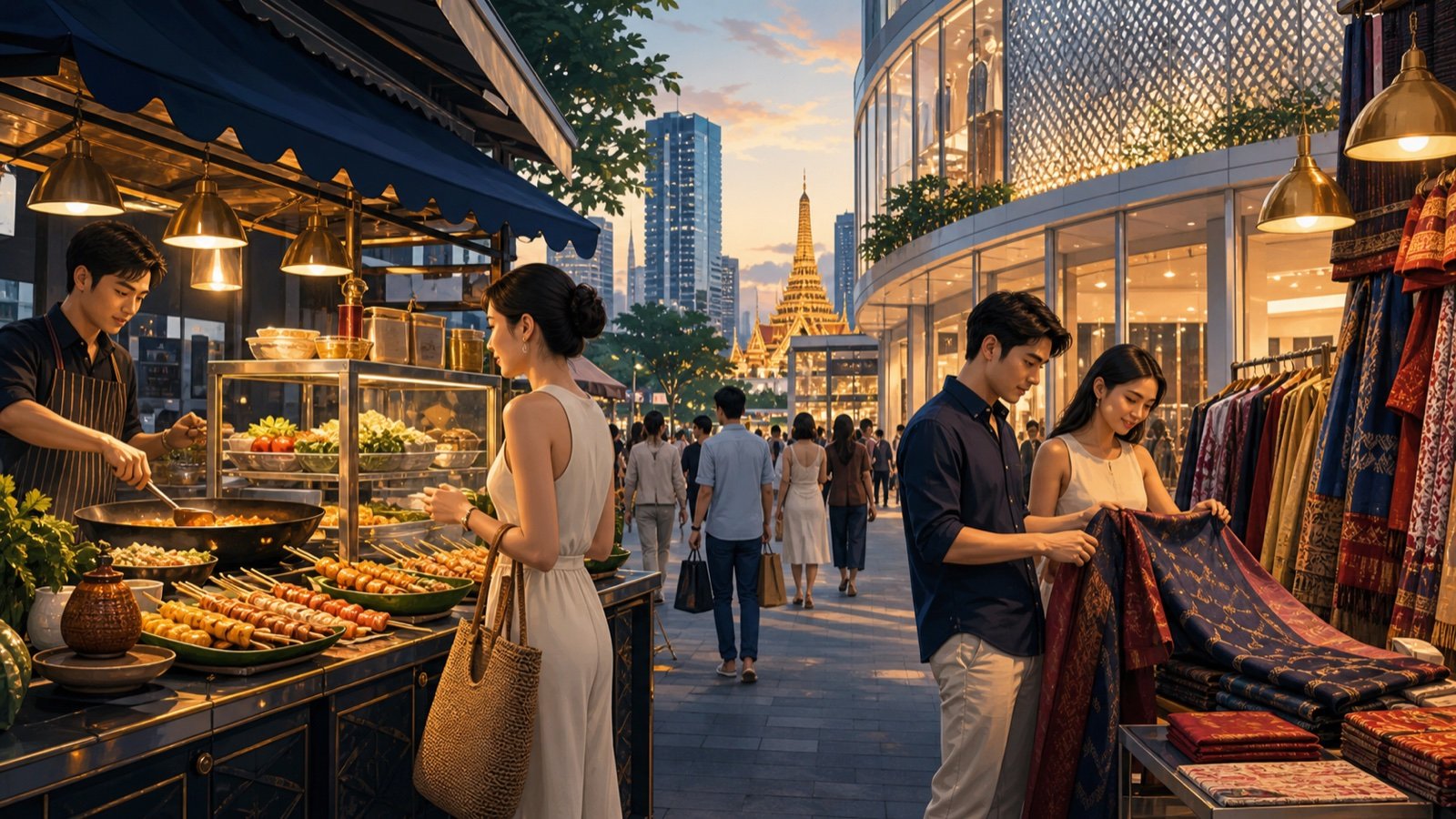
Street food is not one category of risk or quality. A busy made-to-order stall, a market snack vendor and food held for hours in direct heat require different judgment. Observe turnover and handling rather than choosing solely by appearance.
Look for active cooking and turnover
Busy stalls often replenish ingredients frequently. Choose food cooked hot in front of you, especially for meat, seafood and eggs. Raw garnishes and ice may not suit every traveler’s risk tolerance.
Ordering without fluent Thai
Pointing politely and using a translation app works. Confirm quantity and price before a complex order. “Not spicy” can still contain chili from sauces or shared preparation, so travelers with allergies need a clearer discussion than a preference request.
Allergies and dietary restrictions
Carry a translated allergy card that explains cross-contact risk. Fish sauce, shrimp paste, oyster sauce, peanuts and shared woks can appear where they are not obvious. If the consequence is serious and communication is uncertain, choose a restaurant able to discuss ingredients carefully.
Cash and queues
Small notes are helpful. Follow the local ordering flow, wait until the vendor acknowledges you and avoid blocking the cooking area for photos.
Heat and hydration
Spicy food, alcohol and hot weather can combine badly when walking all day. Drink safe water and pace tastings rather than turning a market visit into a volume challenge.
Respect the vendor
Ask before close-up photography, do not handle food displays and return dishes or waste where directed. Street food is everyday work and community life, not a staged performance.